
As the sun begins to set, signaling the end of a day of fasting, I can’t help but feel a sense of excitement for iftar. The warmth of family and the aroma of home-cooked meals fill the air, and it’s a moment for togetherness around the table. This Ramadan, I’m thrilled to share my take on a Mediterranean classic: Greek Gemista, or stuffed vegetables. Imagine tender tomatoes and vibrant bell peppers, lovingly filled with fragrant herbed rice and baked to perfection.
What makes this dish truly special is not just its comforting flavors, but the flexibility it offers. Whether you’re in the mood for a meat-free delight or looking to throw in some of your favorite veggies, this recipe adapts beautifully. Perfect for meal prep or a festive gathering, you’ll find that it satisfies without being overly heavy, making it the ultimate choice for a nourishing dinner. Let’s dive into this culinary journey and bring the comforting essence of Mediterranean cuisine to your iftar table!
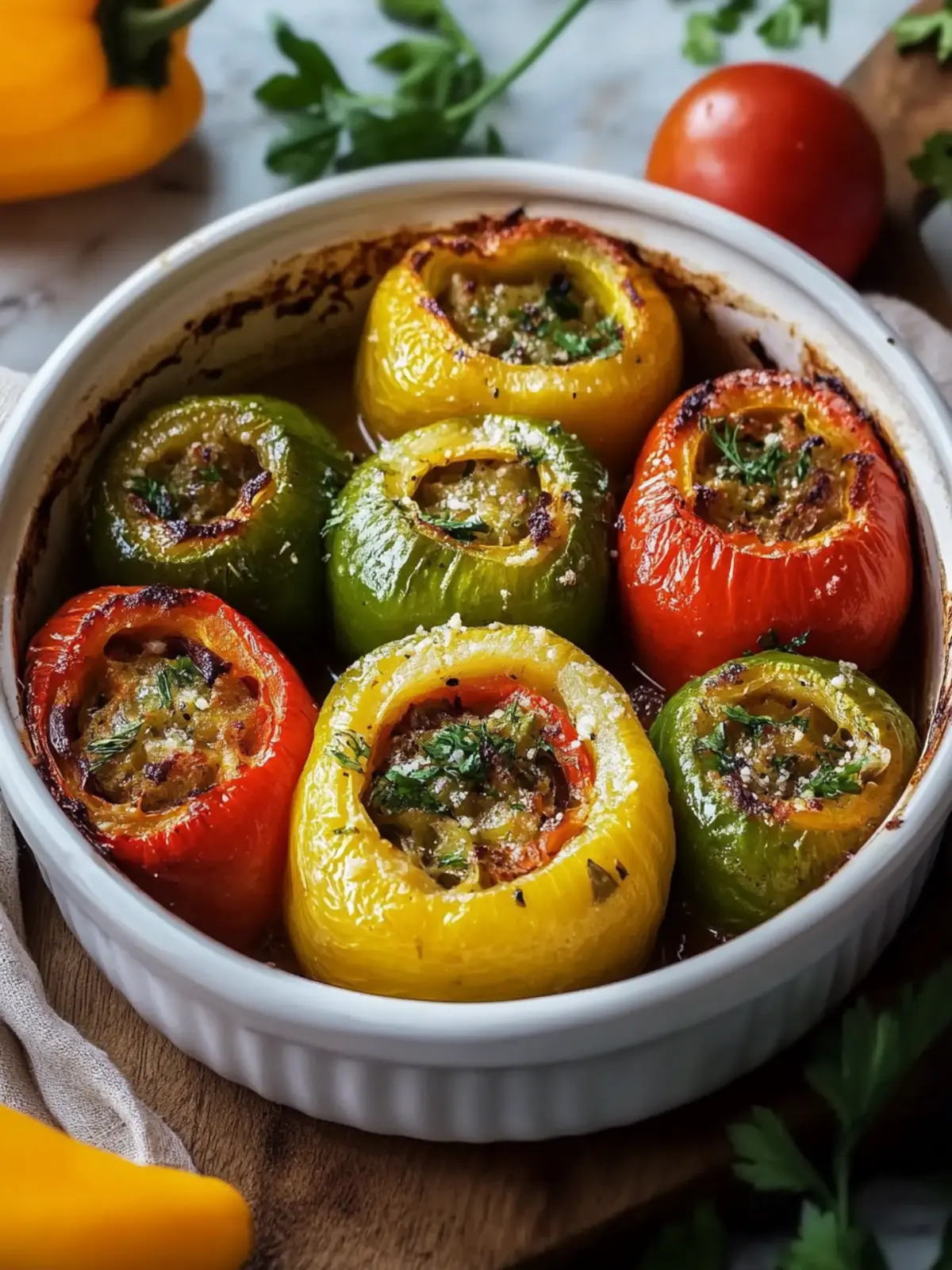
Why are these Ramadan Greek Stuffed Vegetables so beloved?
Comforting Flavors: The combination of tender roasted vegetables and herbed rice makes every bite a warm hug.
Easy to Prepare: Minimal hands-on time means you can focus on enjoying iftar with loved ones.
Endless Customization: Swap ingredients to suit your taste; add chickpeas or experiment with grains like quinoa for variety.
Meal Prep Friendly: Make a large batch ahead, perfect for busy evenings or feeding a crowd.
Nutrient-Rich: With fresh veggies and wholesome grains, it’s a delightful way to nourish yourself post-fasting.
Cultural Connection: Sharing this beloved Mediterranean dish during Ramadan promotes warmth and togetherness at the dinner table.
Ingredients for Ramadan Greek Stuffed Vegetables
• A delightful medley of flavors awaits!
For the Vegetables
- Tomatoes – Choose firm varieties that hold up well when baked and offer a natural sweetness.
- Bell Peppers – Opt for vibrant, firm peppers to add color and a sweet crunch to your dish.
For the Filling
- Rice – Medium-grain rice is perfect for absorbing flavors, ensuring a creamy texture.
- Onion – Sautéed to perfection, onions bring out a sweet caramelized note.
- Garlic – Use fresh garlic to boost the flavor profile of your stuffing.
- Fresh Parsley & Mint – These herbs add a refreshing brightness to the filling, enhancing the overall taste.
For Cooking
- Olive Oil – Extra virgin olive oil is essential for sautéing and drizzling, infusing the dish with rich flavor.
- Water – Necessary for cooking the rice to the perfect doneness.
- Salt & Pepper – Essential for seasoning to taste; adjust as needed to enhance flavors.
Serve these Ramadan Greek Stuffed Vegetables warm, and get ready to bask in the deliciousness of this Mediterranean favorite!
How to Make Ramadan Greek Stuffed Vegetables
-
Preheat your oven to 180°C (350°F). This sets the perfect stage for baking your gemista to tender perfection.
-
Prepare the vegetables by slicing off the tops of the tomatoes and bell peppers. Carefully scoop out their insides and keep them aside, ensuring the shells remain intact for stuffing.
-
Sauté chopped onion and garlic in a generous drizzle of olive oil until they’re soft and fragrant. This should take about 3-4 minutes, making your kitchen feel warm and inviting.
-
Mix the sautéed onions and garlic with rice, the reserved vegetable insides, fresh herbs, salt, and pepper. Add just enough water to cook the rice until it’s half-done, about 10 minutes should do the trick.
-
Stuff the mixture into the hollowed tomatoes and peppers, packing it in gently. Replace their tops and drizzle a bit more olive oil over the filled veggies for an extra dose of flavor.
-
Bake for approximately 1 hour, until the vegetables are tender and beautifully golden. You’ll know they’re ready when the aromas start to dance in the air!
Optional: Drizzle with more olive oil before serving for added richness.
Exact quantities are listed in the recipe card below.
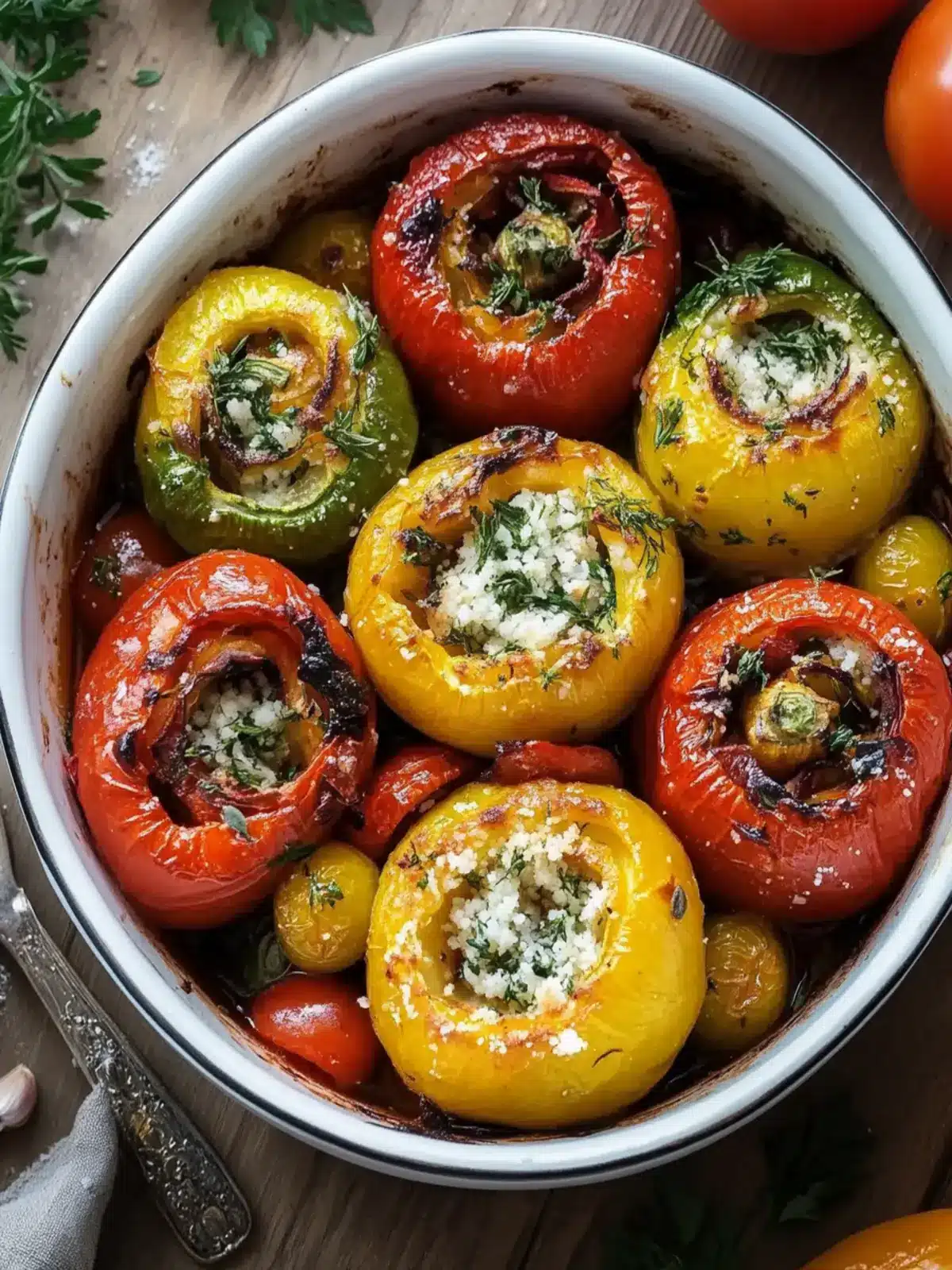
Make Ahead Options
These Ramadan Greek Stuffed Vegetables are perfect for meal prep enthusiasts! You can prepare the filling—sautéing the onion, garlic, and mixing it with rice and herbs—up to 24 hours in advance. Simply refrigerate the filling in an airtight container. The vegetables can also be prepped by hollowing them out and storing in the refrigerator for up to 3 days. When you’re ready to enjoy this comforting dish, just stuff the hollowed tomatoes and peppers with the prepared filling, drizzle with olive oil, and bake as directed. This allows you to savor just as delicious gemista while freeing up your evening for family and relaxation!
Expert Tips for Ramadan Greek Stuffed Vegetables
- Choose the Right Veggies: Select firm tomatoes and bell peppers to prevent them from collapsing during baking, maintaining a beautiful presentation.
- Don’t Overcook Rice: Cook rice until it’s just half-done before stuffing; it will finish cooking in the oven, keeping it fluffy and preventing mushiness.
- Season Generously: Always taste the filling before stuffing—it should be well-seasoned with salt and pepper, ensuring the flavors of your Ramadan Greek Stuffed Vegetables shine through.
- Variations Matter: Feel free to substitute rice with quinoa or add protein like chickpeas for a heartier meal, allowing for delicious customization.
- Baking Time: Check the vegetables after 45 minutes; ovens vary, and you want them tender but not overly soft.
Ramadan Greek Stuffed Vegetables Variations & Substitutions
Feel free to personalize this beloved recipe to suit your taste and dietary needs.
-
Quinoa Swap: Replace rice with quinoa for a protein-packed alternative that adds a delightful nutty flavor.
-
Chickpea Boost: Stir in cooked chickpeas for added texture and nutrients; they’ll complement the other fillings beautifully.
-
Zucchini Addition: Incorporate diced zucchini in the filling for an additional layer of freshness and color that will surprise your guests.
-
Spicy Kick: Add a pinch of red pepper flakes or diced jalapeños to the stuffing if you crave some heat; it elevates the flavor dynamic.
-
Herbal Infusion: Experiment with different herbs like dill or thyme in place of parsley and mint for a unique herbaceous twist that excites the palate.
-
Cheesy Delight: Mix in a handful of feta cheese with the stuffing for a creamy surprise—perfect for those who enjoy a Mediterranean flair!
-
Brown Rice Option: Substitute standard rice for brown rice; it offers a nutty bite and extra fiber, just remember to adjust the cooking time accordingly.
-
Vegetarian Broth: Cook the rice using vegetable broth instead of water for a richer flavor that enhances the overall dish—a simple switch that makes a big difference!
How to Store and Freeze Ramadan Greek Stuffed Vegetables
Fridge: Store leftovers in an airtight container for up to 3-4 days; this helps maintain the flavors and freshness of your delicious stuffed vegetables.
Freezer: For longer storage, freeze in portions for up to 3 months. Ensure they are well-wrapped to prevent freezer burn and preserve flavor.
Reheating: When ready to enjoy, thaw in the fridge overnight, then reheat in the oven at 180°C (350°F) until warmed through, about 20-25 minutes.
Serving Warm: These Ramadan Greek stuffed vegetables are best enjoyed warm—drizzle with olive oil before serving to enhance their enticing flavors!
What to Serve with Ramadan Greek Stuffed Vegetables?
Indulging in these warm, Mediterranean delights is just the start of your iftar journey. Pair them with perfect complements to elevate your meal experience.
- Greek Salad: Fresh cucumbers, ripe tomatoes, and tangy feta create a vibrant contrast that balances the flavors of the stuffed vegetables.
- Cucumber Yogurt Dip: Cool, creamy, and refreshing, this dip adds a delightful touch to your plate, enhancing the overall experience of each bite.
- Pita Bread: Soft and warm, pita is perfect for scooping up the filling; it brings an authentic Mediterranean feel to your meal.
- Avgolemono Soup: This classic lemon chicken soup offers a comforting broth that brightens the palate and prepares you for the rich flavors to come.
- Roasted Potatoes: Crispy and golden, roasted potatoes seasoned with herbs provide a hearty side that complements the vegetable-filled goodness of the gemista.
- Herbal Tea: Finish your meal with a fragrant cup of mint or chamomile tea, calming the senses and promoting relaxation after a long day of fasting.
- Baklava: For dessert, the sweet, nutty layers of baklava will give a deliciously rich finish, satisfying your cravings for something sweet to celebrate the meal.
- Stuffed Grape Leaves: Known as dolmas, these add a lovely layer of flavor and can be enjoyed warm or cold; perfect for sharing as part of a mezze platter.
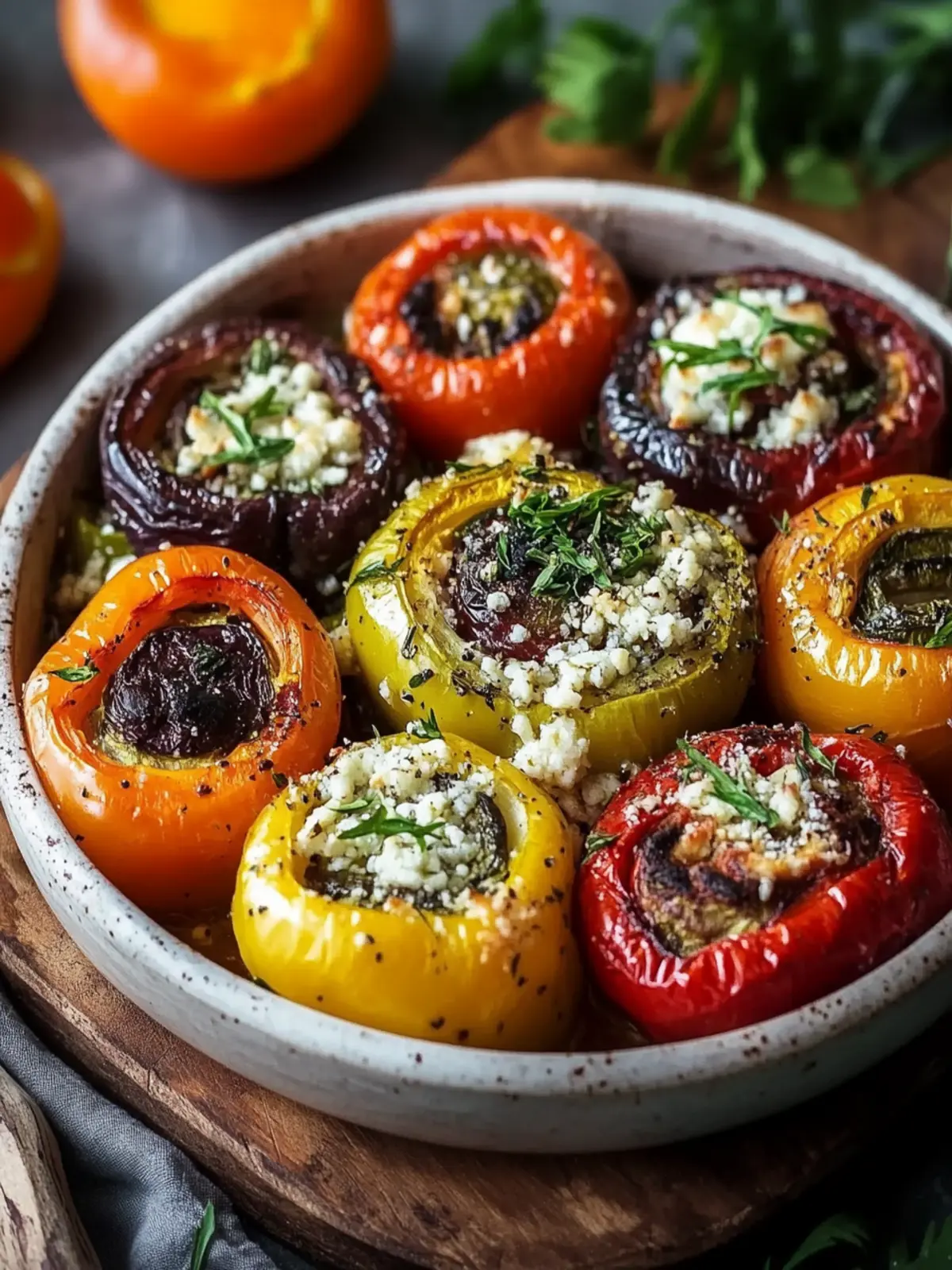
Ramadan Greek Stuffed Vegetables Recipe FAQs
What kind of tomatoes should I use for stuffed vegetables?
Absolutely! Choose firm tomatoes, like beefsteak or Roma varieties, which will hold their shape during baking and provide a naturally sweet flavor. Avoid any tomatoes that show signs of over-ripeness, like dark spots or excessive softness, as they may collapse during cooking.
How should I store leftover stuffed vegetables?
For optimal freshness, store any leftovers in an airtight container in the fridge for up to 3-4 days. This keeps the flavors intact while preventing them from drying out. To enjoy later, you can add a drizzle of olive oil to refresh the taste!
Can I freeze these stuffed vegetables? If so, how?
Certainly! To freeze, allow the stuffed vegetables to cool completely, then wrap them tightly in plastic wrap or aluminum foil. Place them in a freezer-safe container or a resealable plastic bag. They can be stored in the freezer for up to 3 months. For reheating, thaw them overnight in the fridge and bake at 180°C (350°F) for 20-25 minutes until heated through.
What are some common issues I might encounter when making these stuffed vegetables?
Very! One common concern is that the filling might turn out too dry or too mushy. To ensure a perfect texture, cook the rice only until it’s half-done before stuffing. Also, be generous with olive oil to help keep the filling moist. If your vegetables collapse during baking, it’s likely they were overripe or handled too roughly during preparation. Choosing the right firm veggies is key!
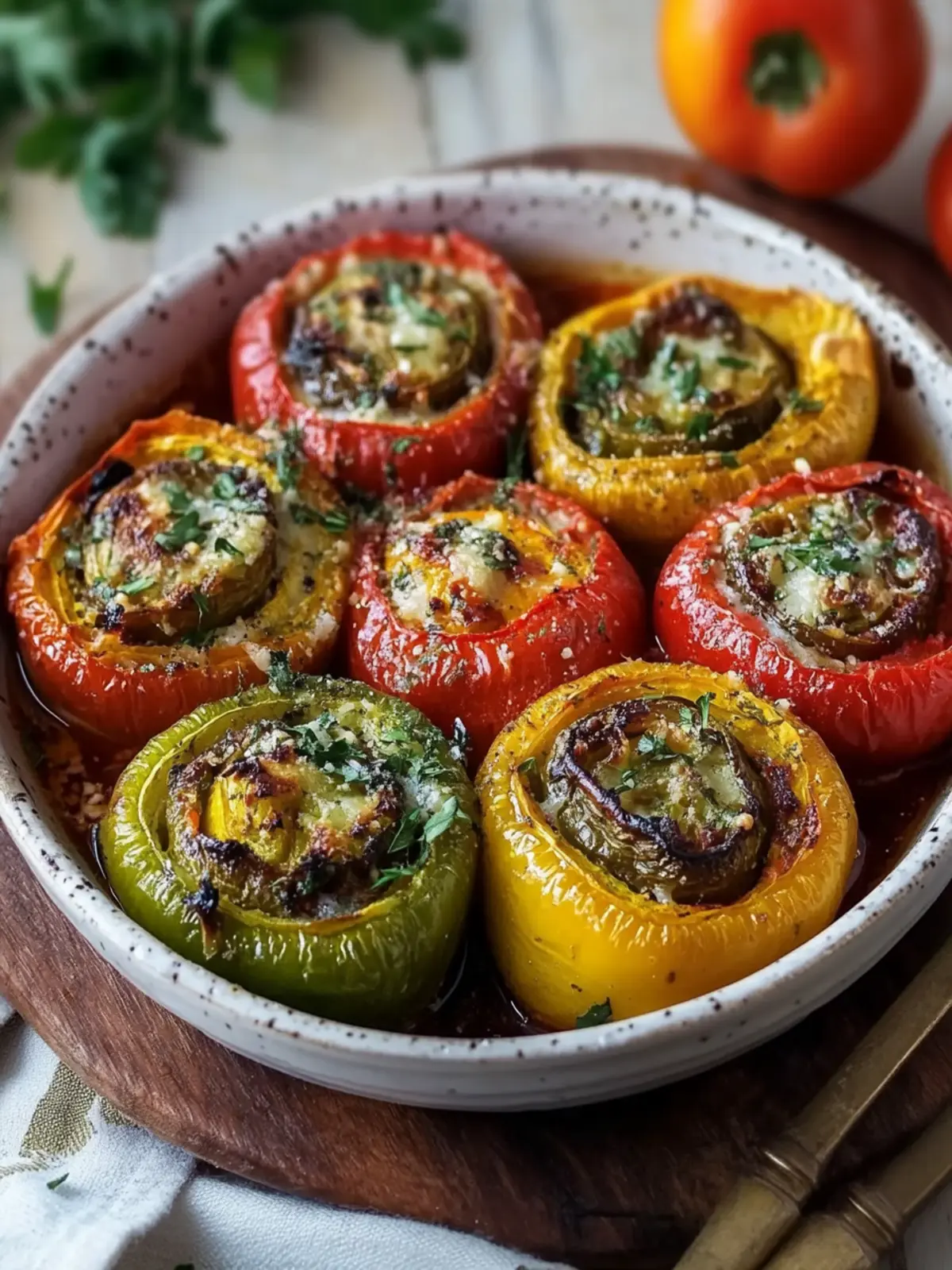
Ramadan Greek Stuffed Vegetables: A Flavorful Iftar Delight
Ingredients
Equipment
Method
- Preheat your oven to 180°C (350°F).
- Prepare the vegetables by slicing off the tops of the tomatoes and bell peppers and scooping out their insides.
- Sauté chopped onion and garlic in olive oil until soft, about 3-4 minutes.
- Mix the sautéed onions and garlic with rice, reserved vegetable insides, herbs, salt, and pepper, adding water to half-cook the rice.
- Stuff the mixture into the hollowed tomatoes and peppers, replacing their tops and drizzling with more olive oil.
- Bake for approximately 1 hour until the vegetables are tender and golden.