
As the sun began to set and cast a warm glow over my kitchen, I felt a deep yearning for connection—both to the flavors of my past and to the traditions that have nourished generations. In that moment, I decided to embrace the simplicity and authenticity of a recipe that transcends time: the Bread Jesus Ate. This wholesome biblical bread embodies the essence of ancient Israel, characterized by nourishing whole grains and earthy flavors that transport you back to a communal feast shared with loved ones.
With just a few simple ingredients, you can create a delicious bread that’s perfect for any occasion—whether you’re hosting a gathering or simply seeking comfort in the familiar. As the dough comes together under your hands and the tantalizing scent wafts through your home, you’ll discover not just a recipe, but a slice of history that resonates with every bite. So, let’s unlock this joyful experience and dive into the delightful journey of making authentic biblical bread together!
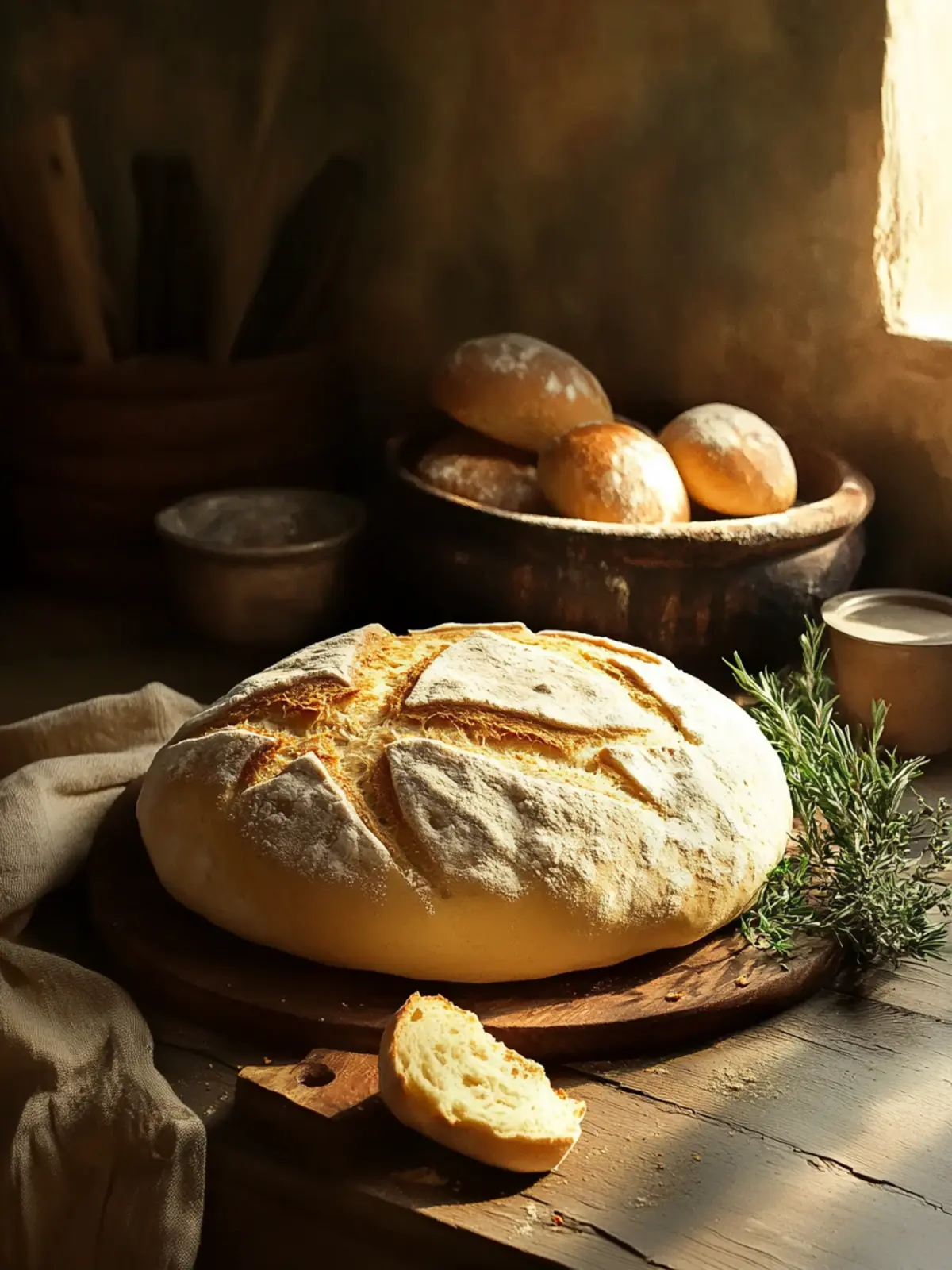
Why is Bread Jesus Ate So Special?
Simple preparation: This recipe requires just a handful of ingredients, letting you create something authentic without any fuss.
Nourishing qualities: Whole grains provide essential nutrients, making this bread both delicious and wholesome.
Historical connection: Enjoying this bread brings you closer to the traditions of ancient Israel, transforming any meal into a cultural experience.
Versatile pairings: Perfect alongside soups or stews, this bread complements many dishes and can even be enjoyed on its own.
Crowd-pleaser: With its warm, hearty flavor, it’s bound to impress friends and family alike, sparking conversations about tradition and history.
Bread Jesus Ate Ingredients
Explore the authentic ingredients that make up the beloved Bread Jesus Ate, bridging historical simplicity with nourishing goodness.
For the Dough
- Whole Wheat Flour – The cornerstone of this bread, providing a full-bodied flavor and healthy nutrients.
- Salt – A vital enhancer, highlighting the natural flavors of this wholesome recipe.
- Lukewarm Water – Essential for activating the dough, ensuring it’s warm but not hot to keep it alive if using yeast.
- Olive Oil (optional) – Infuses the bread with moisture and flavor; swap for melted butter or simply leave it out for a more traditional approach.
- Honey (optional) – A touch of sweetness that balances the earthiness; agave syrup makes for a great vegan alternative.
Don’t miss the chance to connect with history through every delicious bite of Bread Jesus Ate!
How to Make Bread Jesus Ate
-
Mix the dry ingredients by combining whole wheat flour and salt in a large bowl. This simple step sets the foundation for your mouthwatering bread, enhancing its natural earthy flavor.
-
Add lukewarm water gradually to the flour mixture, stirring gently until a soft, non-sticky dough forms. Remember, the correct temperature is key—hot water can kill any yeast if you decide to use it.
-
Incorporate olive oil or honey (if using) by mixing it into the dough. This optional addition brings extra moisture and a hint of sweetness, enriching your bread’s flavor.
-
Knead the dough on a lightly floured surface for about 8–10 minutes. You’ll notice the dough become elastic as you work; that’s the gluten building, which is essential for a good texture.
-
Rest the dough by covering it with a cloth and letting it sit for 30 minutes. This important step allows the gluten to relax, leading to better dough consistency.
-
Divide the dough into 4–6 pieces. Roll each piece into rounds about ¼ inch thick, ensuring they’re uniform for even cooking.
-
Heat a cast iron skillet or griddle over medium-high heat. This method replicates ancient cooking techniques and will give your bread that authentic flavor.
-
Cook each bread round for 1–2 minutes on both sides until golden brown spots appear, signifying a delicious crust forming. Keep an eye on the color to avoid burning!
-
Serve warm straight from the skillet, and savor the hearty, rich flavors as they transport you back to ancient meals shared with loved ones.
Optional: Top with a sprinkle of herbs for an aromatic twist.
Exact quantities are listed in the recipe card below.

Expert Tips for Bread Jesus Ate
-
Choose the Right Flour: Whole wheat flour gives authenticity; however, feel free to experiment with spelt flour for a unique flavor twist.
-
Check Water Temperature: Ensure your water is lukewarm, as hot water can kill yeast, preventing proper dough formation for your Bread Jesus Ate.
-
Kneading Technique: Knead by hand for 8–10 minutes to build gluten effectively; this step is crucial for achieving the bread’s delightful chewiness.
-
Do Not Rush Resting: Allow the dough to rest for 30 minutes. This relaxation time is essential for a tender final bread that’s easy to roll out.
-
Cooking Method: Cooking on a cast iron skillet or over an open flame adds a distinct flavor, reminiscent of traditional ancient methods.
-
Don’t Overcrowd the Skillet: Ensure each piece has enough space in the skillet to cook evenly, achieving that beautiful golden color on both sides.
How to Store and Freeze Bread Jesus Ate
Room Temperature: Keep the bread at room temperature in a cloth or paper bag for up to 3 days for the best texture and flavor.
Fridge: Store in an airtight container plus a cloth for up to 5 days, though refrigeration may dry it out slightly. Reheat before serving.
Freezer: Wrap the bread tightly in plastic wrap and place it inside a freezer-safe bag for up to 3 months. Thaw in the fridge or reheat directly from frozen.
Reheating: To restore freshness, reheat the bread in a skillet over medium heat for 1–2 minutes or warm in the oven at 350°F (175°C) for about 5-7 minutes. Enjoy the authentic taste of Bread Jesus Ate!
What to Serve with Bread Jesus Ate?
Imagine a table filled with warmth and love, where every bite of food weaves stories of togetherness.
- Hearty Lentil Soup: The earthy flavors of this nourishing soup pair beautifully with the rich, whole-grain bread, creating a comforting meal that fills the heart.
- Mediterranean Salad: Fresh greens, tomatoes, and olives provide a brilliant contrast to the warm bread, bringing a burst of flavors and colors that excite the palate.
- Garlic Roasted Vegetables: Sweet, caramelized vegetables complement the rustic taste of the bread, making for a wholesome side that embodies the essence of a communal feast.
- Spicy Hummus: Enjoy dipping bits of your bread into this creamy, flavorful dip—it adds a delightful kick that pairs superbly with the bread’s texture.
- Red Wine: A glass of rich red wine elevates the traditional experience, enhancing the earthy flavors of both the bread and accompanying dishes.
- Herbed Olive Oil: For a simple yet elegant touch, drizzle some aromatic olive oil infused with herbs. This makes for a divine dip that brings the bread’s flavor to life.
- Honey Butter: Spread warm, whipped honey butter over pieces of bread for a sweet, indulgent pairing that offers a delightful contrast to any savory dish.
- Cumin-Spiced Chickpeas: Crunchy, spiced chickpeas not only add texture but also a zesty flavor that complements the wholesome essence of the bread beautifully.
- Warm Apple Pie: For dessert, serve a slice of warm apple pie alongside the bread. The sweetness melds perfectly, creating a heartwarming finale to your meal!
Make Ahead Options
These delicious Bread Jesus Ate are perfect for busy weeknights and meal prep enthusiasts! You can mix the dry ingredients and store them in an airtight container for up to 3 days to save time. Additionally, the dough can be prepared in advance; simply let it rise, then cover and refrigerate for up to 24 hours. When you’re ready to enjoy, take the dough out of the refrigerator, allow it to come to room temperature for about 30 minutes, and then proceed to shape and cook as instructed. This way, you’ll have fresh, homemade bread with minimal effort, just as rich and warm as when it’s made from scratch at the moment!
Bread Jesus Ate Variations
Customize your Bread Jesus Ate recipe and delight in the diverse flavors and textures it offers!
-
Herb-Infused: Add dried oregano or thyme to the flour mixture for a fragrant twist that elevates the earthy flavor.
-
Seed Boost: Mix in a tablespoon of sesame or flax seeds to add delightful crunch and extra nutritional benefits.
-
Spiced Up: Incorporate ground cumin or coriander for a warm, aromatic flavor that pays homage to ancient spices.
-
Whole Grain Blend: Swap half the whole wheat flour for a mix of oat flour to introduce a unique texture and flavor.
-
Dairy-Free: Use coconut oil instead of olive oil for a vegan-friendly option that subtly enhances the bread’s taste.
-
Sweet Twist: Replace honey with maple syrup for a different kind of sweetness, perfect for those with a sweet tooth.
-
Gluten-Free: Use a gluten-free flour blend to create a version for those with dietary restrictions; add xanthan gum for structure.
-
Spicy Variation: Fold finely minced jalapeños or chili flakes into the dough to make your bread a zesty delight, adding an exciting kick to your table.

Bread Jesus Ate Recipe FAQs
What type of whole wheat flour should I use for Bread Jesus Ate?
For the most authentic flavor and texture, I recommend using high-quality whole wheat flour. However, for a different flavor profile, you can substitute with spelt flour. Just keep in mind that the dough may vary slightly in consistency with each type.
How should I store Bread Jesus Ate after baking?
To maintain freshness, store the bread in a cloth or paper bag at room temperature for up to 3 days. This helps retain the bread’s natural moisture and texture. If you need it to last longer, you can refrigerate it in an airtight container for up to 5 days, but be aware it may dry out.
Can I freeze the Bread Jesus Ate?
Absolutely! To freeze, wrap the bread tightly in plastic wrap and then place it in a freezer-safe bag. It will stay fresh for up to 3 months. To reheat, you can either let it thaw overnight in the fridge or warm directly from frozen in a skillet over medium heat for about 1–2 minutes.
I over-kneaded the dough; what can I do?
If you feel like you’ve over-kneaded the dough, don’t worry too much! While it may be tougher, you can still salvage it by allowing the dough to rest longer before shaping it. This resting period will help relax the gluten you’ve developed and make it easier to work with.
Are there any dietary considerations for this recipe?
Yes! This recipe can be made vegan by omitting the honey or substituting it with agave syrup. If allergies are a concern, always ensure that your whole wheat flour and any other additives are certified gluten-free if necessary. And for pets, avoid giving them bread with honey or any added sweeteners.

Nourish Your Soul with the Bread Jesus Ate Recipe
Ingredients
Equipment
Method
- Mix the dry ingredients by combining whole wheat flour and salt in a large bowl.
- Add lukewarm water gradually to the flour mixture, stirring gently until a soft, non-sticky dough forms.
- Incorporate olive oil or honey (if using) into the dough.
- Knead the dough on a lightly floured surface for about 8–10 minutes.
- Rest the dough by covering it with a cloth for 30 minutes.
- Divide the dough into 4–6 pieces and roll each into rounds about ¼ inch thick.
- Heat a cast iron skillet or griddle over medium-high heat.
- Cook each bread round for 1–2 minutes on both sides until golden brown.
- Serve warm straight from the skillet.