
Sinking my teeth into a perfectly tender slice of Bossam Korean Pork Belly always transports me to a bustling street market in Seoul. The savory aroma of simmering pork mingles with hints of garlic and ginger, creating an irresistible invitation for anyone nearby. This dish is not just a meal; it’s a culinary journey that brings families together, especially when wrapped in crisp lettuce with vibrant kimchi.
I first discovered this gem during a late-night cooking adventure, desperate to break free from the monotony of takeout. After a bit of experimentation, I uncovered this recipe that balances rich flavors with simplicity. Within just under two hours, you can craft a mouthwatering feast that will impress even the most discerning of guests.
Let’s dive into this easy yet impressive recipe that’s sure to delight your taste buds and elevate your homemade meals to new heights. Grab your apron, and let’s get cooking!
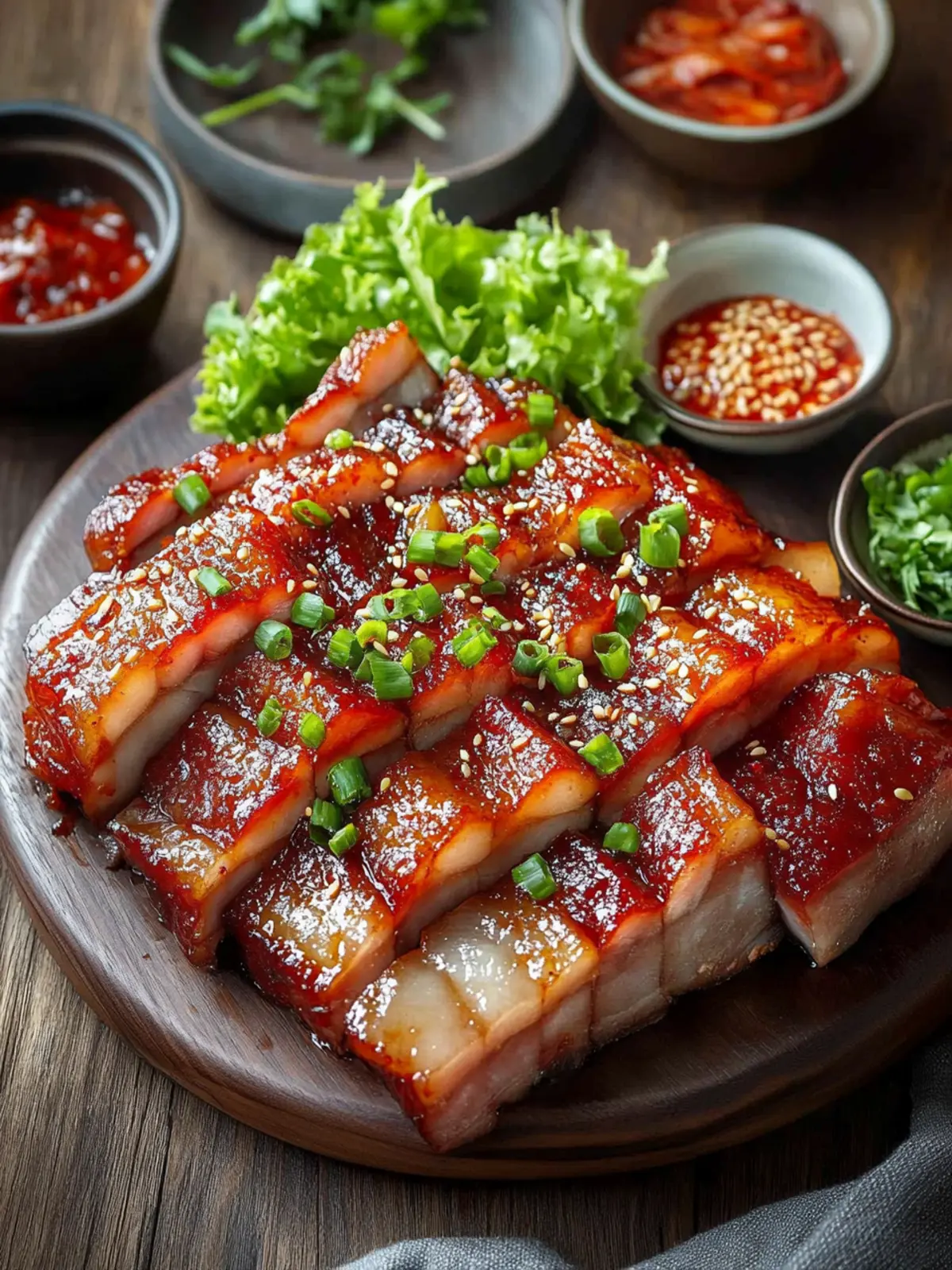
Why You’ll Love Bossam Korean Pork Belly
Tender, Flavorful Experience: Every bite of this Bossam Korean Pork Belly bursts with flavor, thanks to the fusion of doenjang and gochujang.
Simple Preparation: With just a few steps, you can achieve a dish that tastes as if it’s been crafted by a seasoned chef.
Perfect for Sharing: This recipe is ideal for gatherings, inviting friends and family to create their own delightful wraps with crisp lettuce and spicy kimchi.
A Taste of Tradition: Enjoy a comforting meal that brings a piece of Korean culture right to your home.
Time-Saving Delight: In under two hours, you have a stunning dish perfect for any occasion—no more fast food boredom!
Bossam Korean Pork Belly Ingredients
• Get ready to create a feast!
For the Broth
- 2 lb pork belly – The star of the dish, its richness is enhanced by slow cooking.
- 6 cups water – This forms the base of your savory broth.
- 2 tbsp doenjang – A fermented soybean paste that adds depth to the flavor.
- 1 tbsp gochujang – This Korean chili paste brings a hint of spice and sweetness.
- 2 tbsp soy sauce – For a savory umami kick that complements the pork.
- 2 tbsp rice wine – This adds a subtle sweetness and helps tenderize the meat.
- 1 tbsp brown sugar – Balances the savory notes with a touch of molasses flavor.
Aromatics and Add-Ins
- 1 onion, quartered – Adds sweetness and depth to the broth.
- 1 apple, quartered – A secret ingredient that infuses a fruity note to the broth.
- 6 garlic cloves – For that delightful aroma and robust flavor.
- 1-inch piece ginger, sliced – A must-have for its warm, spicy essence.
- 2 green onions – These add a fresh brightness to the dish.
- 1 tsp black peppercorns – Introduces a hint of warmth and complexity.
- 2 bay leaves – Essential for bringing the broth together with herbal notes.
Now that you’ve gathered your ingredients, you’re one step closer to serving up this mouthwatering Bossam Korean Pork Belly!
How to Make Bossam Korean Pork Belly
-
Combine Ingredients: In a large pot, add the water, doenjang, gochujang, soy sauce, rice wine, brown sugar, onion, apple, garlic, ginger, green onions, black peppercorns, and bay leaves. Stir well and bring to a gentle simmer to let the flavors mingle.
-
Cook Pork Belly: Carefully place the pork belly into the simmering broth. Cover and cook gently for about 1 hour 20 minutes, or until the meat is beautifully tender and fully cooked.
-
Check for Tenderness: After the cooking time is up, use a fork to check the pork’s tenderness. If it isn’t fork-tender yet, allow it to simmer a little longer.
-
Rest and Slice: Once done, remove the pork belly from the pot and let it rest for 10 minutes. This helps the juices redistribute. Slice it thinly for serving.
-
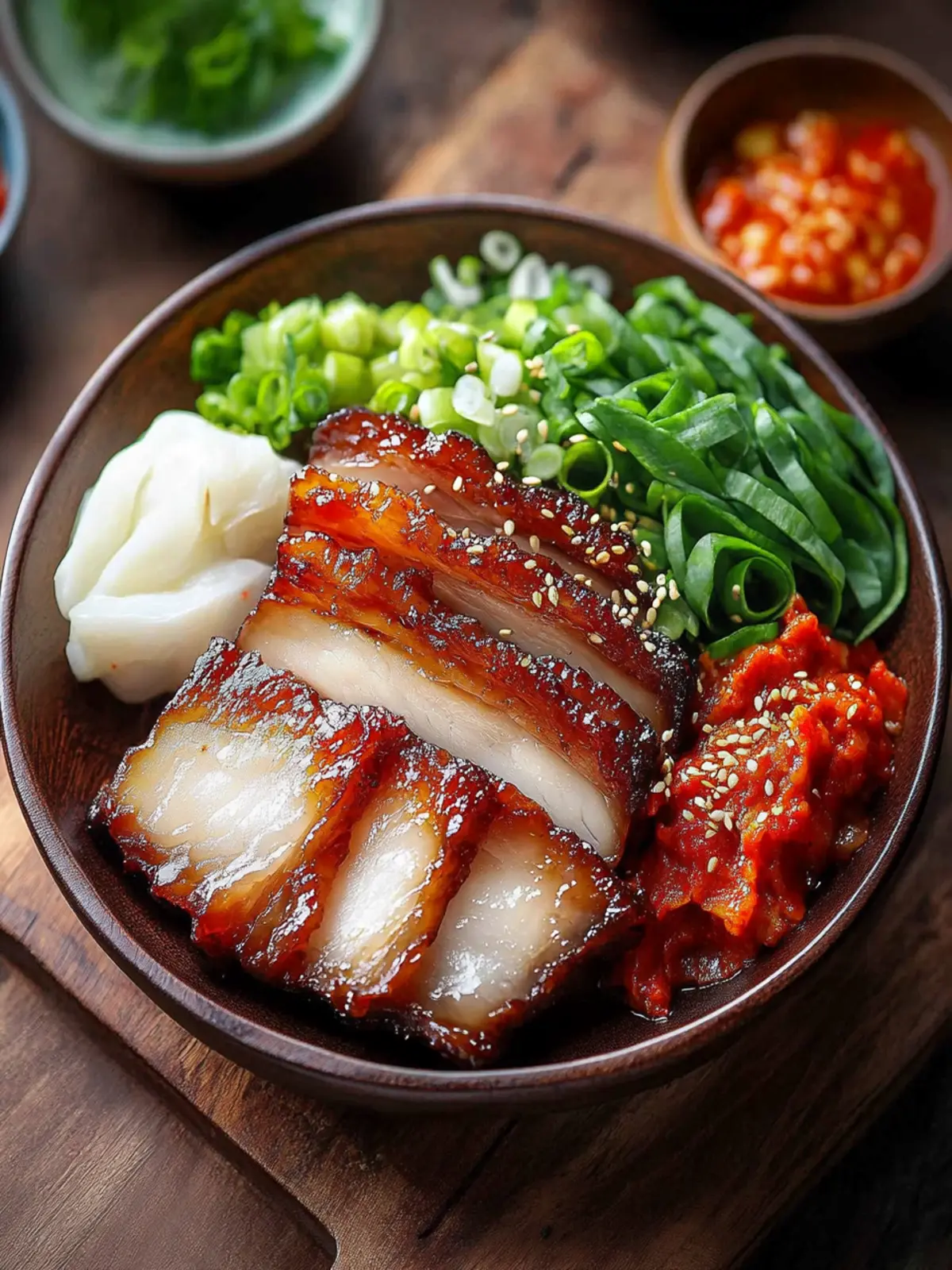
Serve with Accompaniments: Arrange your sliced pork belly with fresh lettuce, kimchi, and ssamjang. Encourage everyone to make their own delicious wraps!
Optional: Drizzle with sesame oil for an extra layer of flavor.
Exact quantities are listed in the recipe card below.
How to Store and Freeze Bossam Korean Pork Belly
Fridge: Store leftover Bossam Korean Pork Belly in an airtight container for up to 3 days. Ensure it’s completely cooled before sealing to maintain freshness.
Freezer: For longer storage, freeze the sliced pork belly for up to 2 months. Wrap tightly in plastic wrap, then place in a freezer-safe bag to prevent freezer burn.
Reheating: Thaw in the fridge overnight. To reheat, warm gently in the microwave or on a stovetop with a splash of broth or water to keep it moist.
Serving Freshness: For the best flavor, serve your Bossam Korean Pork Belly fresh, but leftovers can still deliver that comforting taste with the right storage!
Make Ahead Options
These delightful Bossam Korean Pork Belly wraps are perfect for meal prep enthusiasts! You can prepare the flavorful broth by combining water, doenjang, gochujang, soy sauce, rice wine, brown sugar, onion, apple, garlic, ginger, green onions, black peppercorns, and bay leaves up to 24 hours in advance. Simply refrigerate it in an airtight container. When you’re ready to enjoy, follow the cooking instructions by adding the pork belly to your broth and simmering as directed. This not only saves you time on busy weeknights but also allows the flavors to deepen, ensuring your dish is just as delicious as if made fresh! For optimal taste, finish cooking up to 3 days after prepping to maintain its quality.
What to Serve with Bossam Korean Pork Belly?
Elevate your Bossam experience with delightful pairings that bring warmth and color to your meal.
- Crisp Lettuce Leaves: These serve as perfect wraps for the tender pork, adding a refreshing crunch that complements the rich flavors.
- Spicy Kimchi: A classic Korean side, its tangy and spicy notes provide a bold contrast to the savory pork belly, enhancing each bite.
- Ssamjang Sauce: This Korean dipping sauce combines the perfect amount of heat and sweetness, making it an essential component for your wraps.
- Steamed Rice: Serve alongside fluffy white rice to soak up the delectable broth, balancing the meal beautifully with its mild flavor and texture.
- Pickled Radishes: Offering a bright and crunchy texture, these add a tangy bite that cuts through the richness of the pork.
- Grilled Vegetables: Roasted zucchini, peppers, and mushrooms make for colorful accompaniments, providing hearty flavor and a bit of char.
- Soju or Beer: Pairing your Bossam with a light, crisp beer or a traditional Korean soju brings a refreshing lift to the meal, enhancing the dining experience.
- Fruit Salad: A refreshing mix of fruits like watermelon and pineapple acts as a sweet palate cleanser, rounding out your meal perfectly.
- Sesame Oil Drizzle: For an extra layer of flavor, a drizzle of toasted sesame oil on the finished dish adds a nutty aroma that elevates the overall taste.
Variations & Substitutions for Bossam Korean Pork Belly
Feel free to play with the flavors and textures of this dish to make it your own.
-
Spicy Twist: Add an extra tablespoon of gochujang for a fiery kick that enhances the bold flavors.
Get ready for a mouthful of flavor—just a little more spice can change everything! -
Fruity Essence: Substitute the apple with pear for a sweeter touch that complements the pork beautifully.
The natural sweetness of ripe pears can elevate your broth with a pleasant twist! -
Herb Infusion: Add fresh cilantro or Thai basil to the wrapping ingredients for a fragrant finish.
This simple addition creates an enticing aroma and brightens up each bite delightfully. -
Gluten-Free: Replace soy sauce with tamari to keep the flavors intact while accommodating a gluten-free diet.
You won’t lose any depth of flavor, ensuring everyone can enjoy this dish together! -
Extra Crunch: Top with toasted sesame seeds or crushed peanuts for added texture and crunch in each wrap.
A little crunch goes a long way, making each bite even more satisfying and delightful! -
Vegetarian Option: For a plant-based twist, use firm tofu marinated in a similar broth and grilled for depth.
You can still enjoy that rich flavor experience without meat—delicious and satisfying! -
Savory Accompaniments: Serve with pickled radishes for a tangy crunch that cuts through the richness of the pork.
These simple, sharp flavors will enhance the overall experience and keep everyone reaching for more! -
Reduced Calorie: Use lean cuts of pork or even chicken breast for a lighter version of this beloved dish.
You won’t miss out on flavor, and it’s a great way to enjoy Bossam without the extra guilt!
Expert Tips for Bossam Korean Pork Belly
- Choose Quality Pork: Opt for fresh, high-quality pork belly for the best texture and flavor. Fatty cuts will yield a more succulent result.
- Simmer Gently: Keep the broth at a gentle simmer; boiling can make the pork tough. Patience will reward you with tender, melt-in-your-mouth slices.
- Flavorful Resting: Allow the pork to rest after cooking; this helps the juices redistribute, ensuring each bite is juicy and flavorful in your Bossam Korean Pork Belly.
- Adjust Seasoning: Taste the broth before serving. You can always add a touch more soy sauce or gochujang to enhance the flavors to your liking.
- Fresh Accompaniments: Serve with fresh, crisp lettuce and homemade kimchi for a delicious contrast that elevates every bite of your Bossam Korean Pork Belly.
Bossam Korean Pork Belly Recipe FAQs
What kind of pork belly should I use for Bossam?
Absolutely! For the best results, choose a fresh, high-quality pork belly with a good amount of fat. A well-marbled cut will give you that rich, tender texture you’re looking for. Look for pork that feels firm but bouncy, and avoid any with dark spots or off smells.
How long can I store leftover Bossam Korean Pork Belly?
Your delicious leftover Bossam Korean Pork Belly can be stored in an airtight container in the fridge for up to 3 days. Make sure it’s completely cooled before sealing to maintain its freshness and flavor.
Can I freeze Bossam Korean Pork Belly?
Very! To freeze your sliced pork belly, wrap it tightly in plastic wrap, then place it in a freezer-safe bag. This method will help prevent freezer burn. It can be frozen for up to 2 months without losing its delicious flavor. When ready to enjoy, simply thaw it in the fridge overnight.
What should I do if the pork belly is tough after cooking?
If it’s tough, don’t worry! Simply return the pork belly to the simmering broth and let it cook for an additional 15 to 30 minutes. This gentle cooking will help break down the fibers and make it tender. Always check tenderness with a fork before serving!
Is Bossam suitable for people with dietary restrictions?
Certainly! If you’re cooking for someone with soy allergies, you can substitute the soy sauce with a gluten-free alternative or simply use coconut aminos. For those watching their sugar intake, you can reduce or skip the brown sugar. However, let everyone know about the ingredients used to accommodate any allergies.
What should I serve with Bossam Korean Pork Belly?
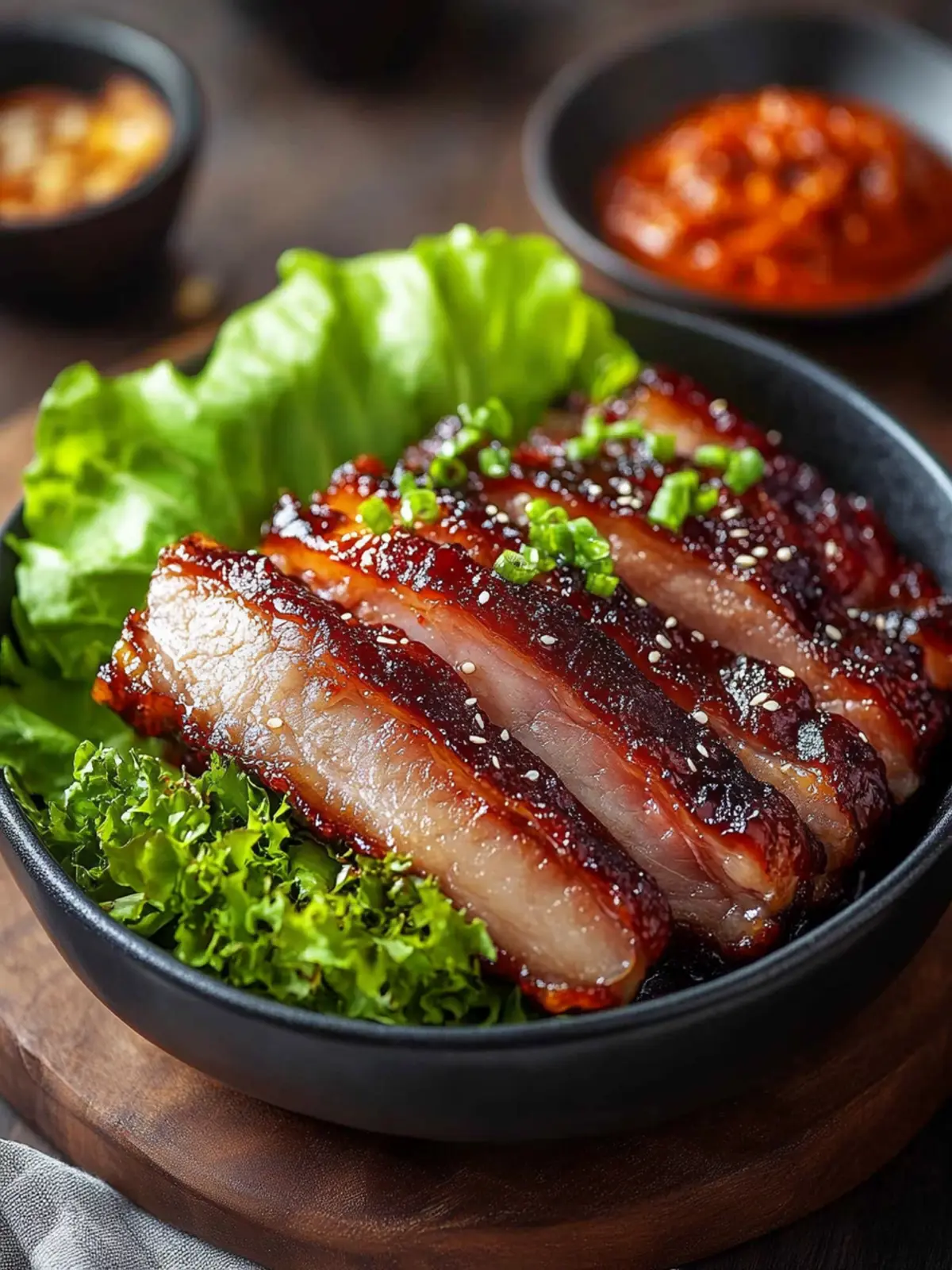
You should serve it with fresh lettuce leaves, which are perfect for wrapping the pork, along with spicy kimchi and ssamjang. The combination adds a delightful crunch and spice, creating a memorable dining experience with your Bossam Korean Pork Belly!
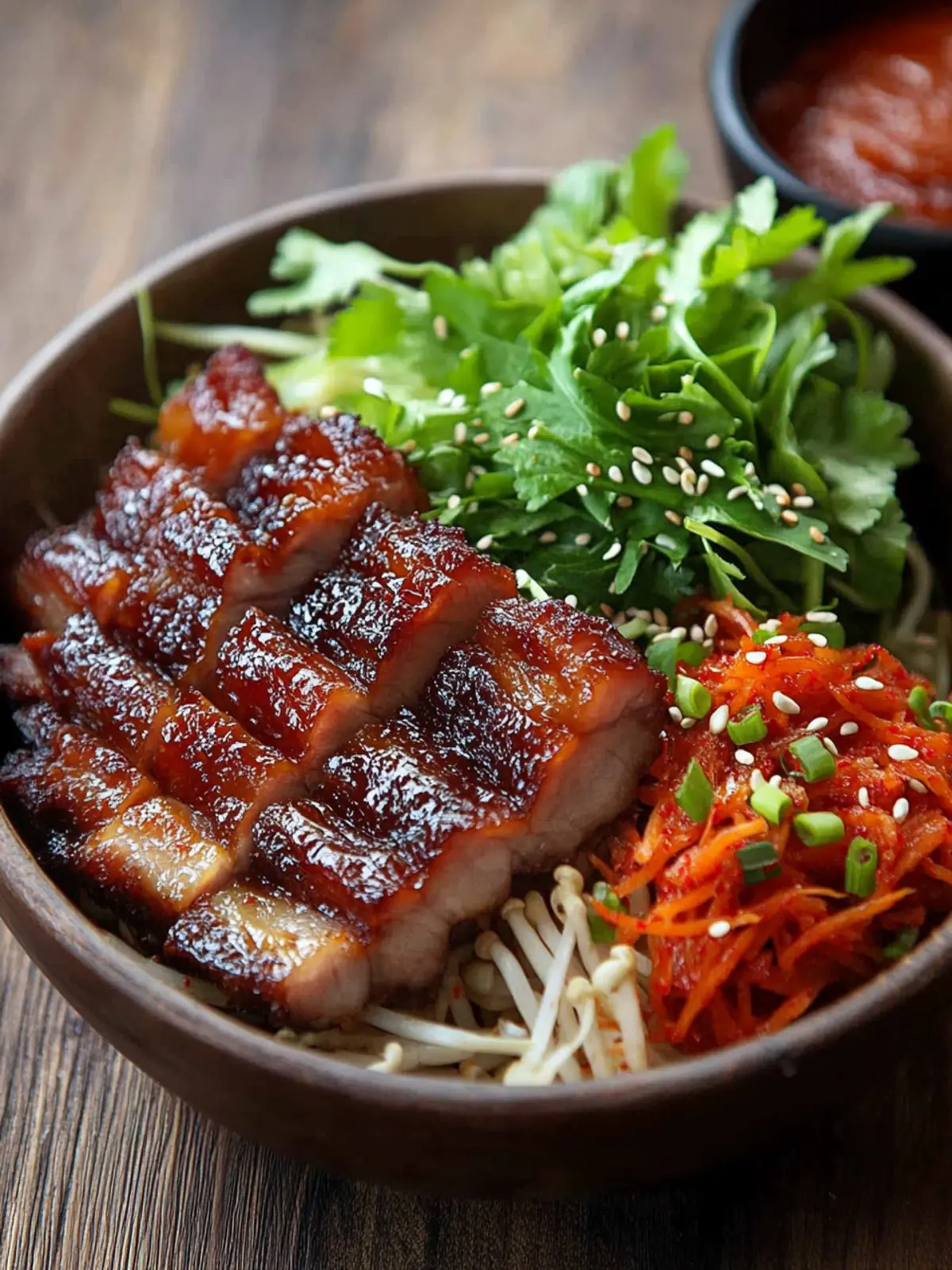
Mouthwatering Bossam Korean Pork Belly: A Cozy Feast!
Ingredients
Equipment
Method
- In a large pot, add the water, doenjang, gochujang, soy sauce, rice wine, brown sugar, onion, apple, garlic, ginger, green onions, black peppercorns, and bay leaves. Stir well and bring to a gentle simmer to let the flavors mingle.
- Carefully place the pork belly into the simmering broth. Cover and cook gently for about 80 minutes, or until the meat is beautifully tender and fully cooked.
- After the cooking time is up, use a fork to check the pork's tenderness. If it isn’t fork-tender yet, allow it to simmer a little longer.
- Once done, remove the pork belly from the pot and let it rest for 10 minutes. This helps the juices redistribute. Slice it thinly for serving.
- Arrange your sliced pork belly with fresh lettuce, kimchi, and ssamjang. Encourage everyone to make their own delicious wraps!
- Optional: Drizzle with sesame oil for an extra layer of flavor.